Japanese Spitz
Cheerful, Alert, Loyal, Fluffy, Playful, Family-Friendly, Watchful Companion
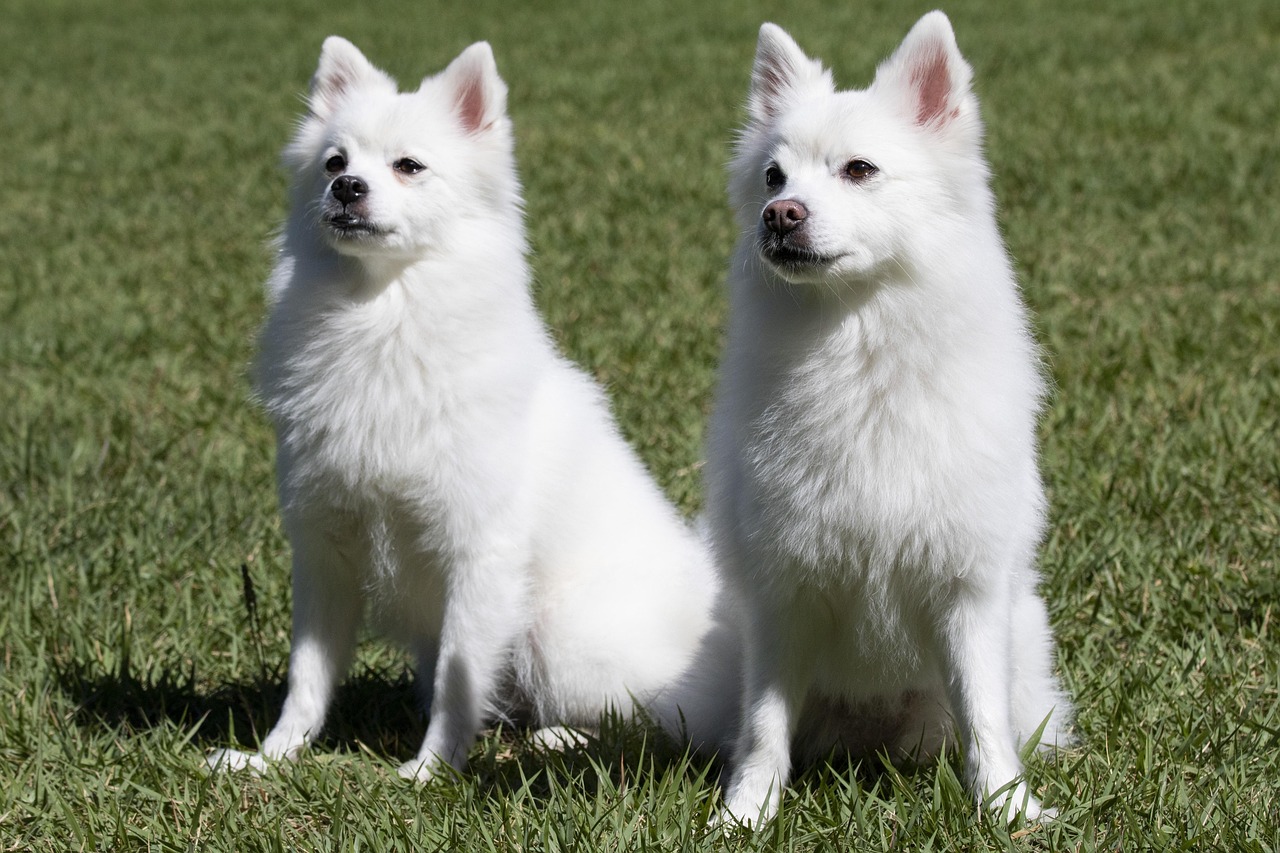
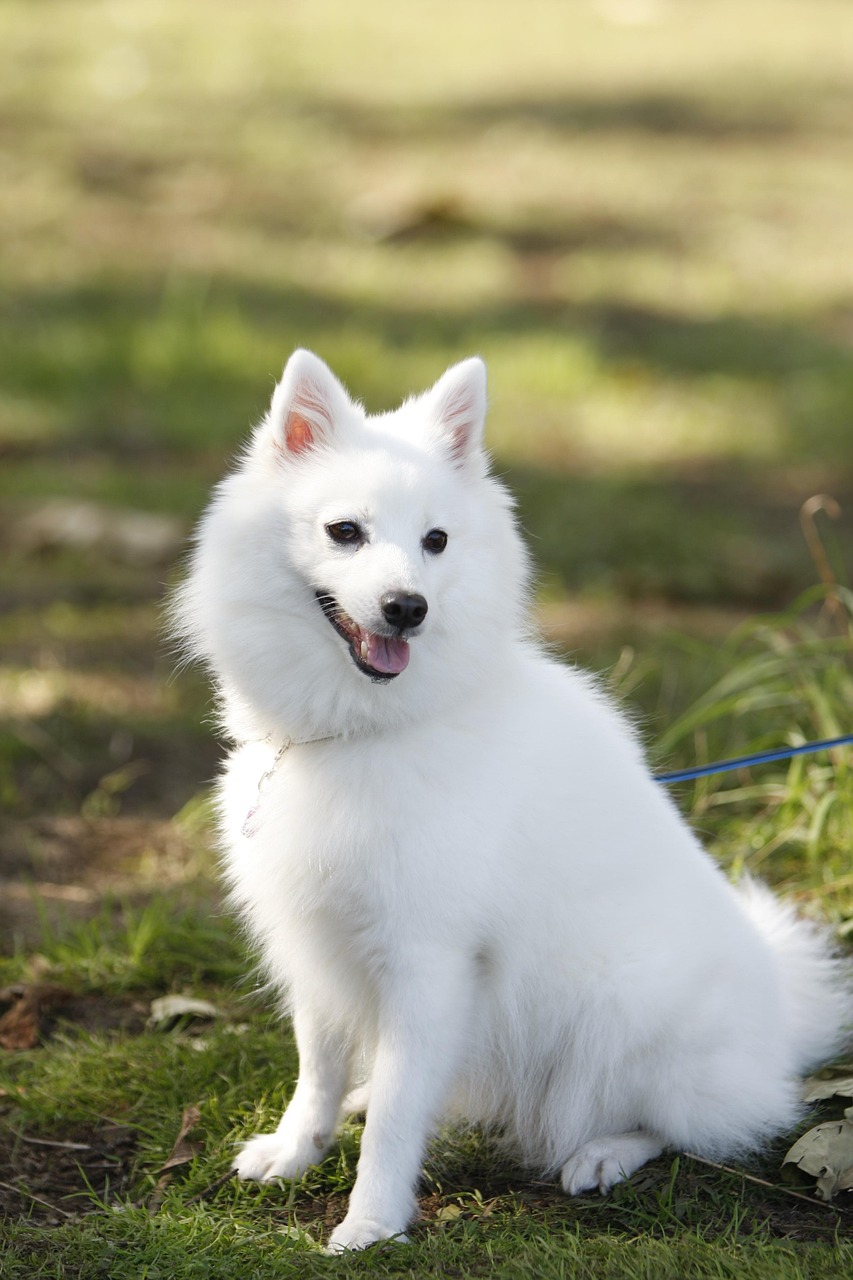
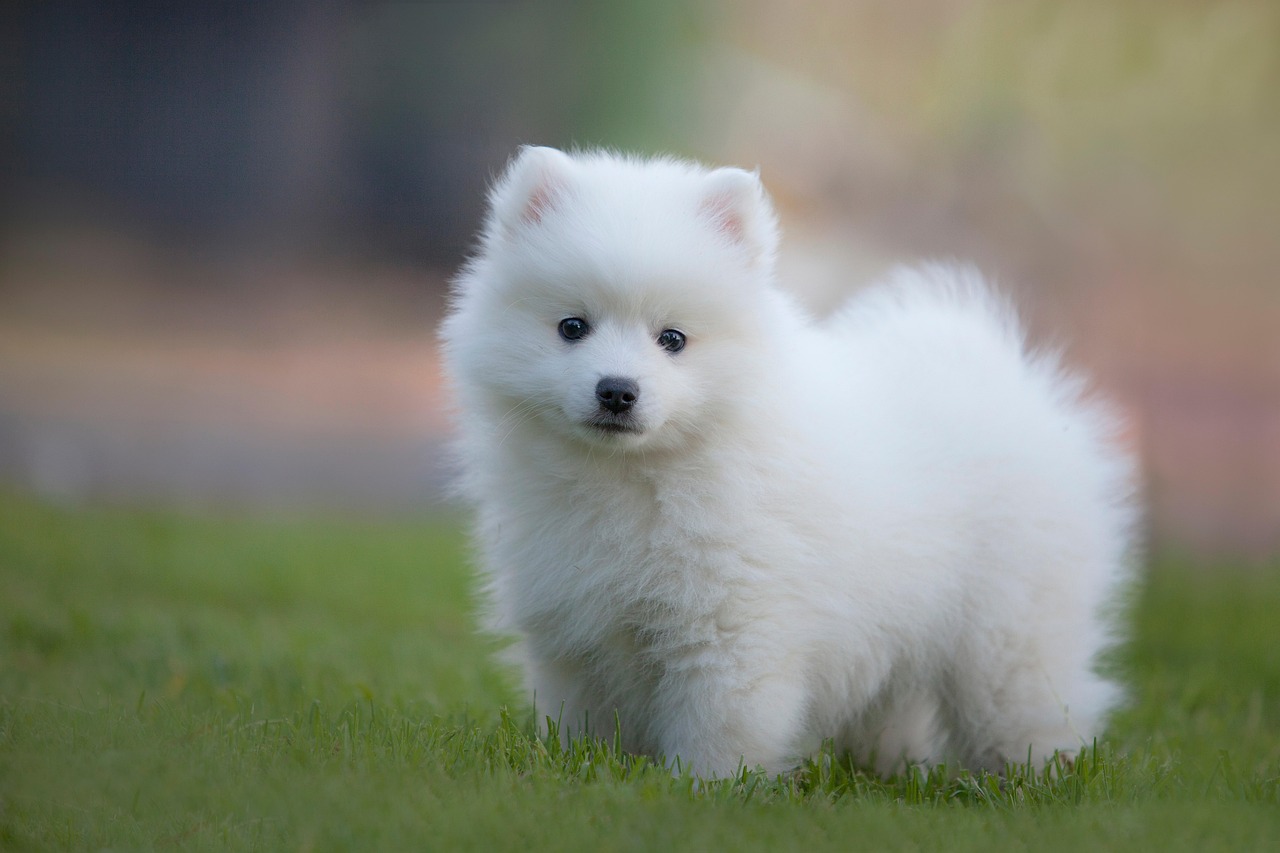
A small, fluffy white spitz breed, the Japanese Spitz is a lively, loyal companion with a fox-like expression, bright personality, and strong devotion to its family.
Know your Japanese Spitz
Breed Group: Non-Sporting
Size: Small
Height: 10–14 inches
Weight: 11–20 pounds
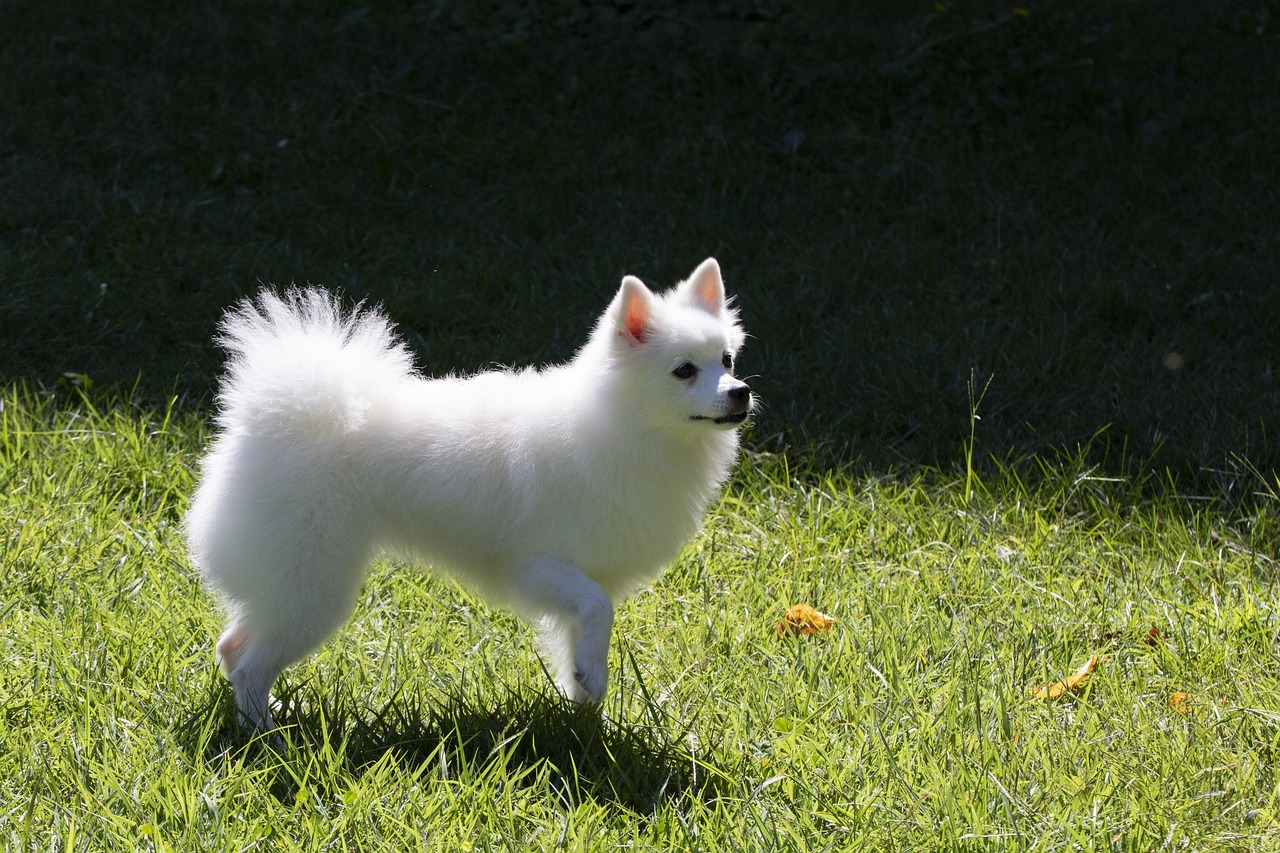
Coat Type: Double coat with a dense, soft undercoat and straight, medium-length outer coat that forms a mane around the neck and a plumed tail
Coat Colors: Pure white is standard, giving the breed its bright, cloud-like appearance
Temperament: Friendly, Alert, Playful, Confident, Loyal, Good-Natured
Energy Level: Moderate to High; enjoys brisk walks, active play, and being involved in family life
Good with Children: Yes, especially when properly socialized and interactions are supervised with very young kids
Good with Other Pets: Yes, generally gets along well with other dogs and household pets when introduced properly
Trainability: High; intelligent and eager to please, responds well to consistent, positive reinforcement and enjoys learning tricks and obedience
Barking Tendency: Moderate to High; naturally alert and vocal as a watchdog, may bark to alert the family but can be trained to moderate this
Lifespan: 12–16 years
Health Issues: Patellar Luxation, Dental Problems (tartar buildup and tooth loss), Eye Issues (tear staining or cataracts), Allergies, and occasional skin sensitivity if grooming is neglected
Exercise Requirements: Moderate; needs daily walks, playtime, and mental enrichment, but does not require heavy endurance exercise—ideal for active families or individuals
Hypoallergenic: No (they shed seasonally and require regular brushing to manage loose hair and maintain coat health)
History: The Japanese Spitz was intentionally developed in Japan during the early 1900s by crossing various small spitz-type breeds to create a hardy, adaptable companion with a striking white coat and confident temperament. Refined in the 1920s–1930s, the breed gained popularity in Japanese cities as a family-friendly watchdog and companion. After World War II, the Japanese Spitz began appearing in Europe and other regions, where it earned a reputation as a cheerful, intelligent, and relatively low-maintenance spitz for modern living. Today, it remains a beloved breed for owners who want a bright, fluffy, and loyal companion that thrives on close human interaction.