Shih Tzu
Affectionate, Adaptable, Lively, Companion dog, Toy breed
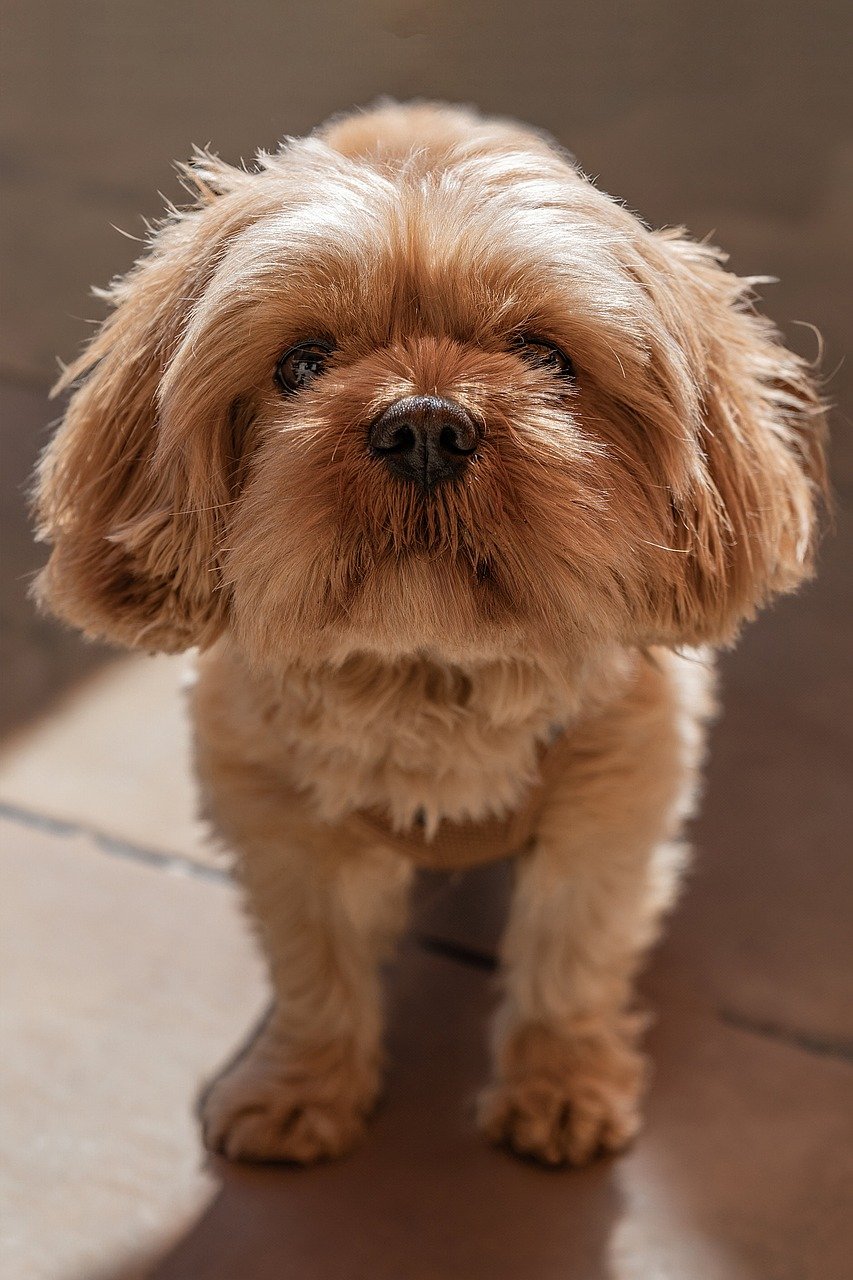
A toy breed known for its luxurious coat and loving personality.
Know your Shih Tzu
Breed Group: Toy
Size: Small
Height: 9-10 inches
Weight: 9-16 pounds
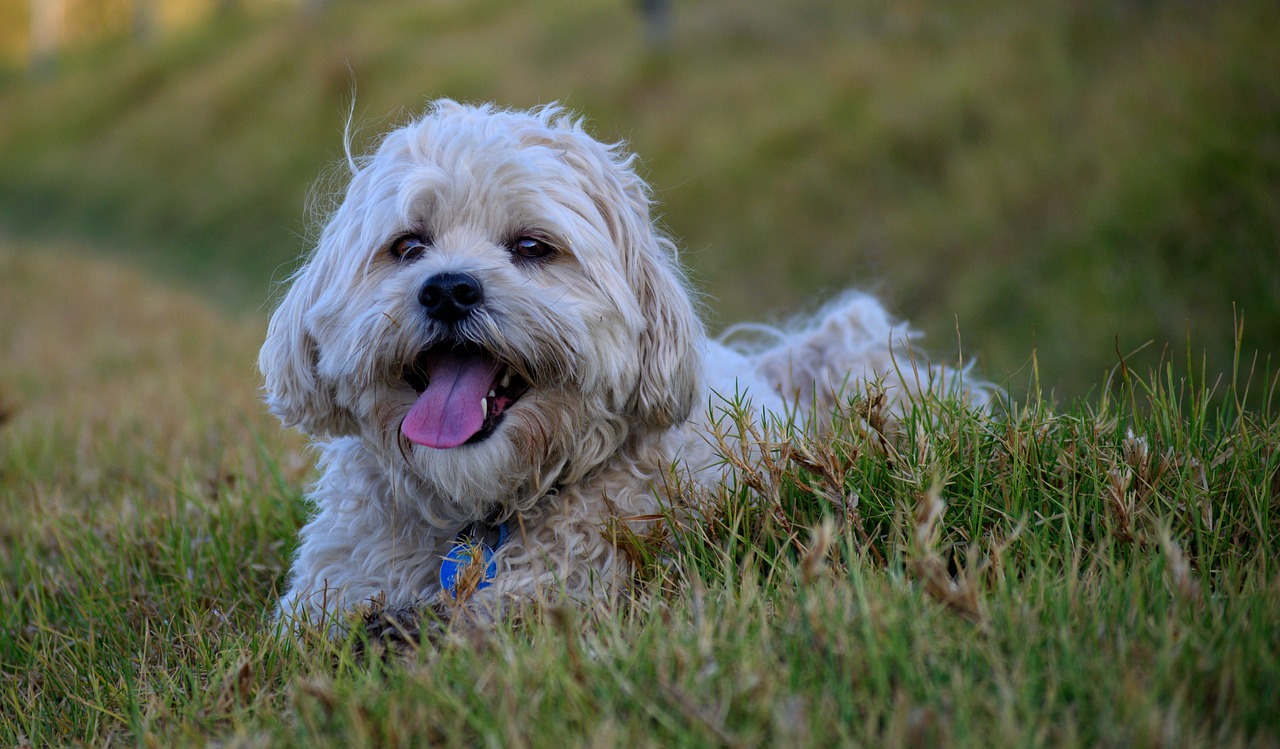
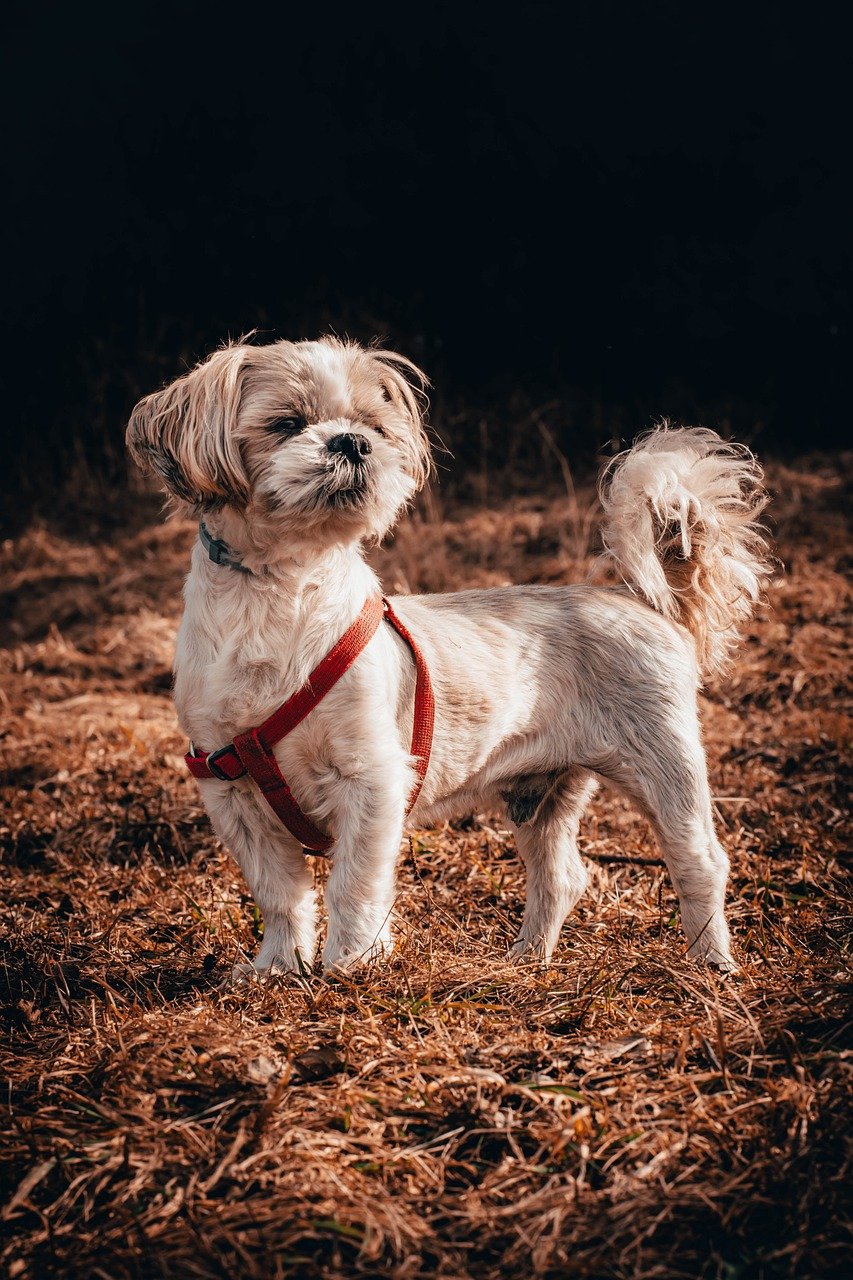
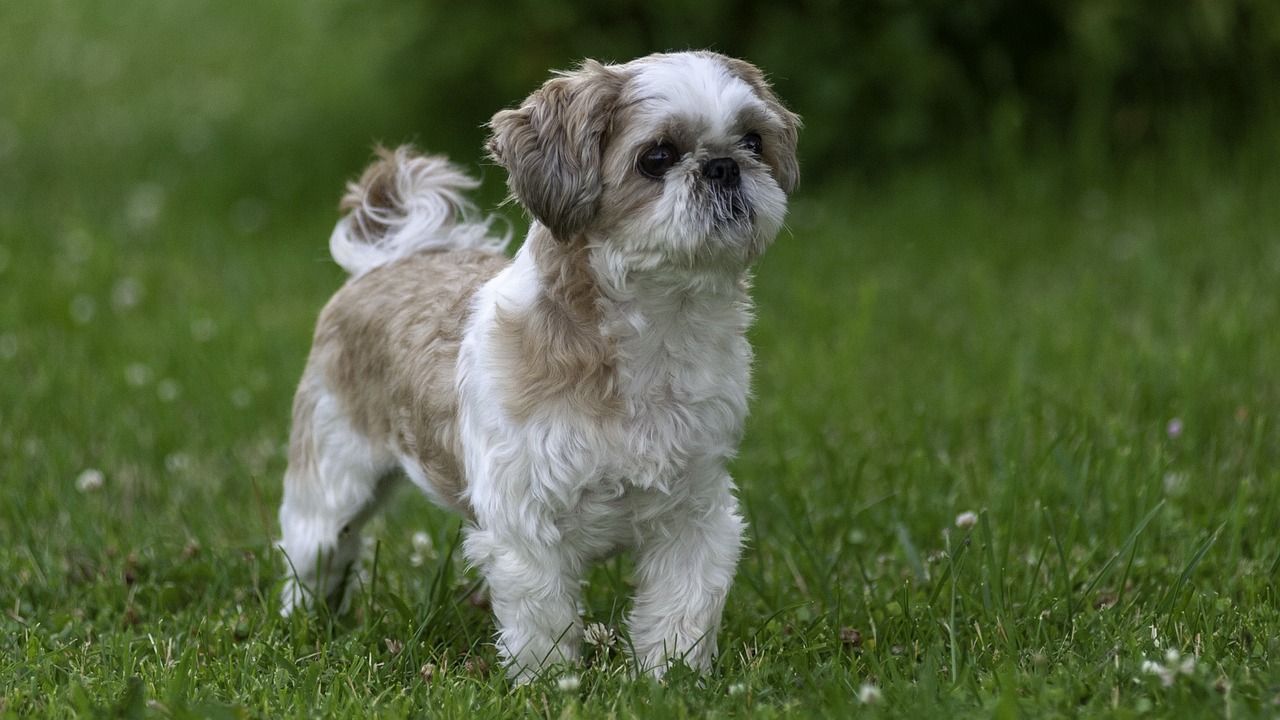
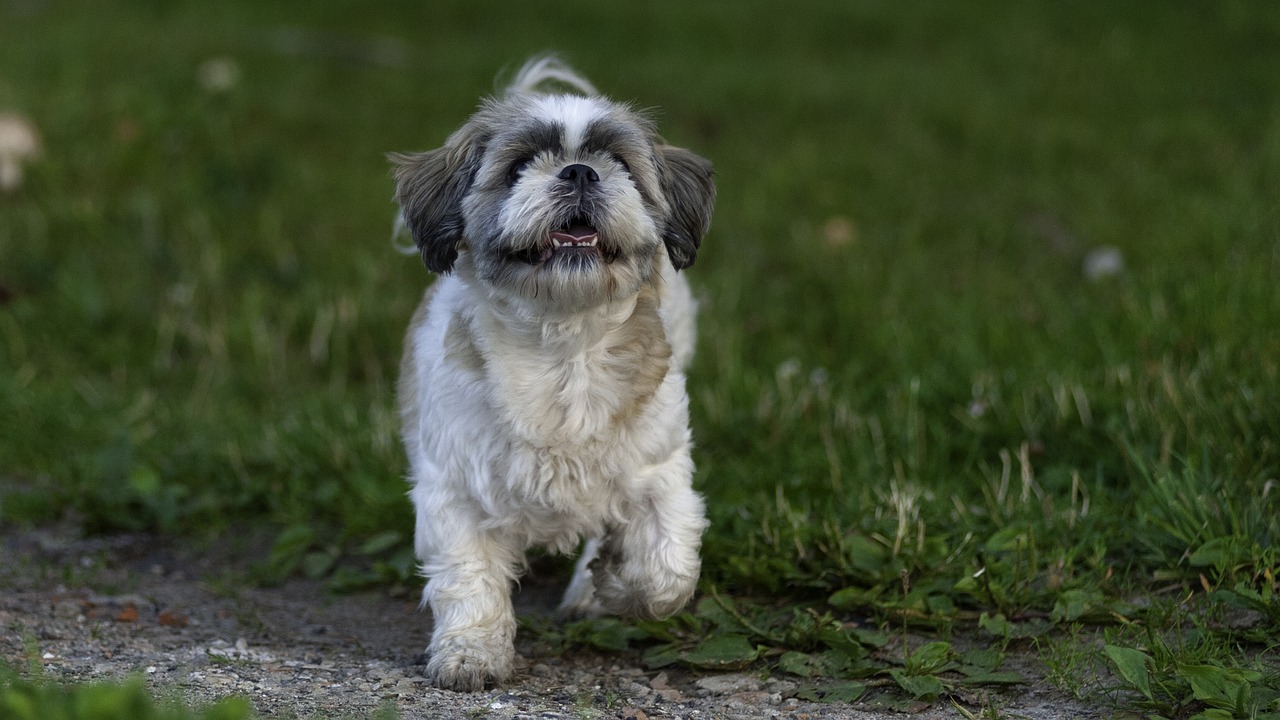
Coat Type: Long, flowing double coat that requires regular grooming to prevent tangles and mats.
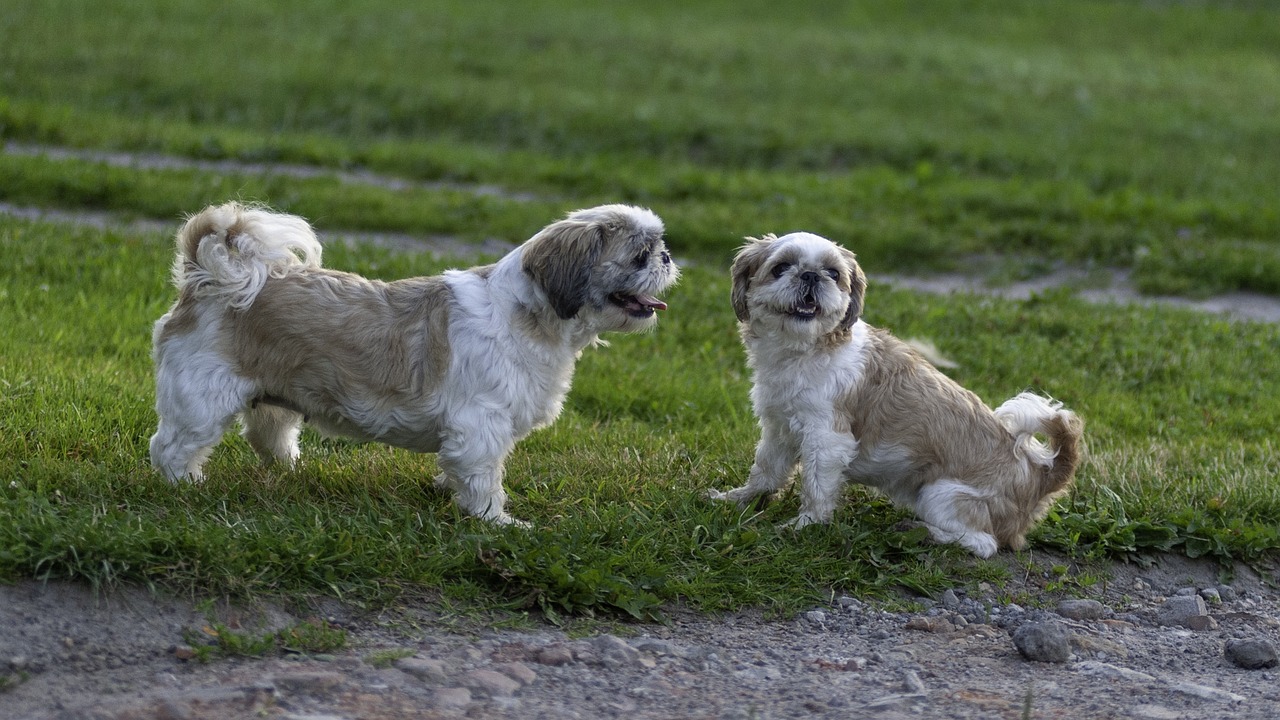
Coat Colors: Gold, White, Black, Brindle, Liver, and various combinations.
Temperament: Affectionate, playful, and friendly. Shih Tzus are charming little companions who thrive on attention and closeness with their people. Their cheerful nature and gentle demeanor make them wonderful pets for families, singles, and seniors alike.
Energy Level: Low to moderate. They enjoy short bursts of play and leisurely walks, but are also happy relaxing on the sofa. They are not high-energy dogs but still benefit from daily light activity.
Good with Children: Yes (especially when children are gentle and respectful).
Good with Other Pets: Yes (typically gets along well with other dogs and household pets).
Trainability: Moderate. Shih Tzus are intelligent but can be a bit stubborn at times. Consistent, patient training with positive reinforcement works best, especially when started at a young age.
Barking Tendency: Moderate. They may bark to alert you to visitors or unfamiliar sounds, but with training, they can learn to control excessive barking.
Lifespan: 10-16 years
Health Issues: Shih Tzus are prone to breathing problems due to their short snouts (brachycephalic airway syndrome), as well as eye issues like corneal ulcers and dry eye. Regular grooming and careful monitoring of facial and eye hygiene are important, along with routine vet checkups.
Exercise Requirements: Low. Daily short walks and indoor playtime are usually sufficient to meet their needs. They are well-suited for apartment living and smaller homes.
Hypoallergenic: Yes (their low-shedding coat may be more suitable for some allergy sufferers, though no dog is completely hypoallergenic).
History: The Shih Tzu originated in China and was cherished by Chinese royalty as a lapdog and companion. Often found in palaces and temples, this breed was developed for companionship and elegance—a role they still fill today as loving, regal little house dogs.